Showing posts with label winter sowing. Show all posts

Monday, September 23, 2024

GROWING MILKWEED


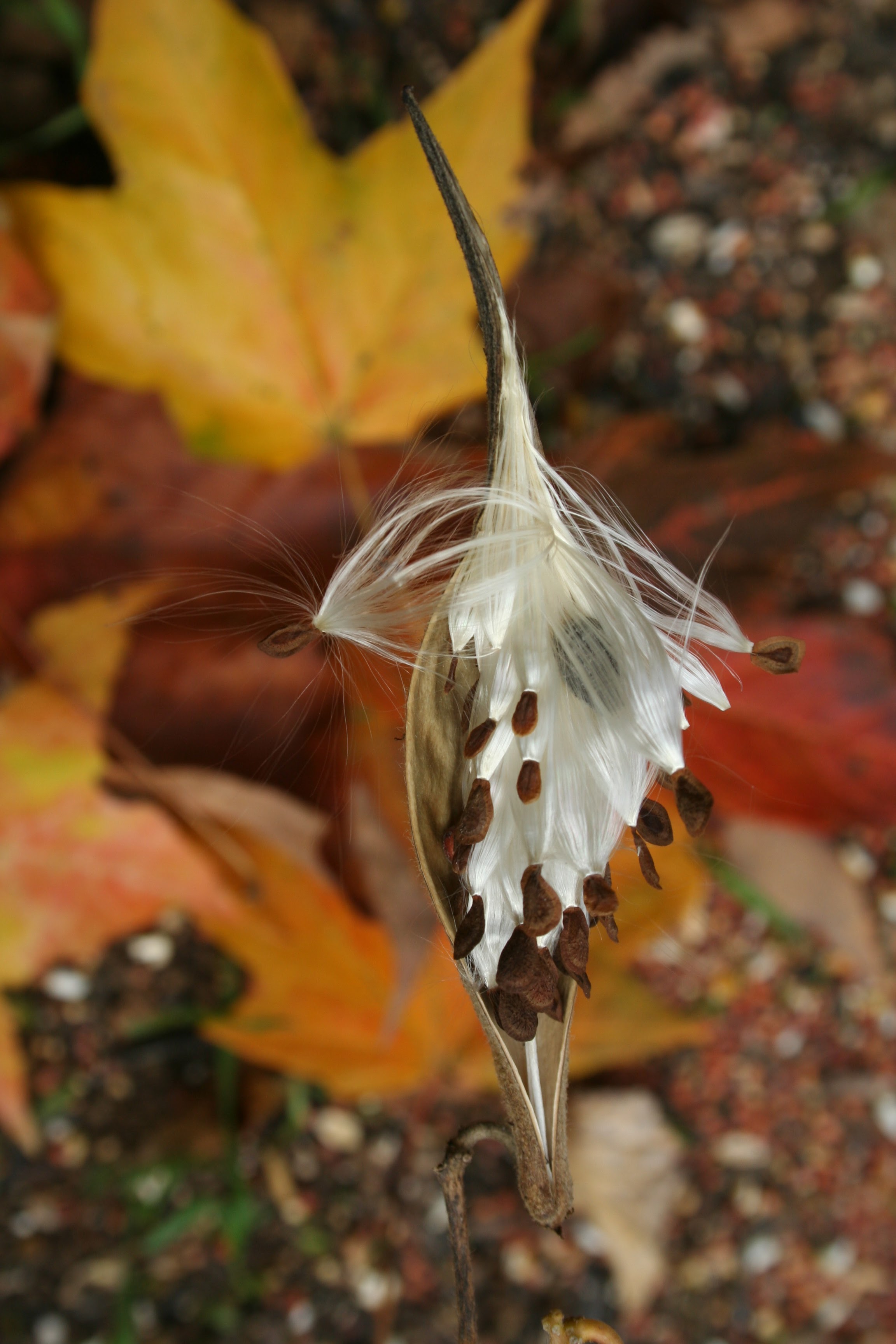
Butterfly Weed seeds (Asclepias tuberosa) Photo -C. Kagan

There are many different milkweed plants. They are in the Genus Asclepias. In Pennsylvania the most common species are Swamp Milkweed (A. incarnata), Butterfly Weed (A. Tuberosa), and Common Milkweed (A. syriaca). Check out this Penn State page for more information about these plants. 

Milkweed seeds require cold stratification. Here's what that means. In nature milkweed plants scatter their seeds in late autumn when the coming cold would kill any seedlings that germinated. Milkweed seeds are programmed to delay germination. Exposure to winter temperatures soften or crack their hard outer shells. In late spring, as temperatures rise, their dormancy is broken and they will start to germinate. Many species of milkweed are quite easy to grow from seed.

Harvesting your seed

You will find milkweed seeds in the pod, also called a follicle. They are attached to white, silky, filament-like hairs known as the coma (coh-ma). As the follicles ripen and split open in the fall, the seeds are revealed on the inside of the follicle. If not harvested, the coma will help seeds be wind-blown to scatter in a wide area.

Seeds will need to be separated from from the coma. Here’s a great tip from Kitty Mao (posted on The Beautiful Monarch FB page October 2017):

“My ‘Low-tech’ Milkweed seed separator: I dislike having special one-time-use gadgets, so I wanted to pass this idea along. You'll need 4 or 5 nickels (coins), a wide-mouth Ball jar with the metal rim, an old onion plastic net and a container to catch the seeds. Throw a couple handfuls of loosened fluff/seed pods in the jar with the coins, double up the net on top of the jar to ensure you have some smaller holes, screw on the lid, then turn upside down and shake out the seeds. Repeat as necessary. (It took me 5 minutes to collect my things and shake out 1/2 cup of Common Milkweed seeds...less time than this post!)”

Fall Planting in the Garden: Many species of milkweed are quite easy to grow from seed. Head outside in the autumn, or even in the early winter. Separate the seeds from the coma and sprinkle the seeds around the garden. Burying the seeds can reduce germination rates since milkweed seeds need light to germinate. Just drop the seeds in the garden and press them down with your hand. Once you've sprinkled the seeds over the soil there's nothing else to do but wait.

In spring, they'll germinate and begin to grow. Be sure the new plants stay well-watered until they're established. Milkweeds are hardy plants that will survive with very little care. Once the seedlings are a few inches tall, you can transplant them to different areas of the garden. [If you want to transplant, move them before they get too big as the root system starts to dig in early.] (Penn State Extension)

Spring Seed Starting: If you want to start seeds in the spring, separate them from the coma and store them in a cool area before until you are ready to cold stratify them to copy the nature process as noted above.

In February, carefully place seeds between moist paper towels to be refrigerated for 3-6 weeks before planting. At that time they can be planted. Peat pots make transplanting later easier. Prepare the pot and and gently water until damp. Place a few seeds on top and gently press down with your finger as they need light to germinate. Water gently, as needed, from the bottom. To prevent fungus, don't overwater. They should sprout in about 10-15 days.

Put your pots in a sunny window, greenhouse, or under a grow light. These should germinate and sprout within 10-15 days after planting. Plant out in the garden after last freeze date. It is best to transplant milkweed in the spring when the plant is small. Transplant on a day that is cloudy or during the cooler morning/evening hours. This will make it less stressful on the plant.


Winter Sowing - Outdoor Germination: Winter sowing is planting seeds outdoors in a protected container during winter. The container remains outdoors until the seedlings emerge in the spring.

The best time to winter sow perennials and annuals is generally December to March depending on the weather conditions in your area. These seeds receive a consistent period of moist, cold temperatures before germination occurs in spring. This is ideal for milkweed seeds.

Remember, when you place the seeds in the containers, they need light to germinate.


Carol Kagan, Master Gardener


Other Resources from Save Our Monarch Organization

Save Our Monarchs Organization has detailed information on growing milkweed seeds indoors.
Save Our Monarchs - Part 1 - outdoor direct sowing and prep for winter sowing-
Save Our Monarchs - Part 2 - planting milkweed outside/ winter sowing step by step- Remember they need light to germinate when you place the seeds on the soil.

~ ~ ~ ~

HERB SAMPLER Second Edition

Buy one for yourself and consider getting a few more as the winter holidays approach – hostess gifts, housewarming and holiday presents.

The Second Edition Herb Sampler (2019) available through Amazon. 


Sunday, December 5, 2021

WINTER SOWING


 WHAT IS WINTER SOWING?

Winter sowing is planting seeds outdoors in a protected container during winter. The container remains outdoors until the seedlings emerge in the spring.

There are benefits to winter sowing. When you direct sow in the ground, the seeds are at the mercy of Mother Nature. They can be washed out in downpours; eaten by animals; desiccate in the wind; or rot in the soil. They are more protected in a container and the spring seedlings do not need to be hardened off before planting in the garden. Winter sowing is ideal for those with limited indoor space for seed starting. No special lighting or equipment is required for germination.

The best time to winter sow perennials and annuals is generally December to March depending on the weather conditions in your area. These seeds receive a consistent period of moist, cold temperatures before germination occurs in spring.

You can provide a protected, cold environment in a DIY mini greenhouse for seedlings. This can be a family-friendly activity for parents and children.

INSTRUCTIONS

Clean container — Wash and rinse with mild water/bleach solution (1 Tbsp. per gallon) milk jugs or suitable (material that lets light in) containers. Discard the top. The opening allows rain and melting snow to keep the soil moist.

Cut container — If not using a container with a hinged lid, measure 5” up from the bottom and mark around the sides. Lay it on its side and cut all the way around, leaving about 2” (under the handle, if using a jug with a handle) so that the top hinges open. Children can measure and mark.


Create drainage - Cut 1/8″-1/4″ diameter holes by using a knife, screwdriver or nail to poke 6 to 8 holes and 4 to 6 holes about ½” up from the bottom on the sides. This is important--if you don’t make drainage holes, your seeds will drown! If using a container with a hinged lid, poke a few holes in the top of the lid, too, to let rain and snow in.

Add soil —Use a potting soil mix that's light and drains well. Do not use garden soil or compost and avoid mixes that feature water retention or moisture control properties. Put the soil in a tub and pre-moisten it. Soil should be moist like a damp sponge, light and fluffy and drain well. Fill the container with 2 to 4" of a potting soil mix1 that's light and drains well.

Sow the seeds — Space them a bit closer than on the packet but at the listed depth. Be sure they are covered. Seedlings can be thinned after germinating in the spring.

Seal the container – Close the hinge, seal the cut edges with duct tape, and leave the top open.

Label the container - Label with the type of seed and date of sowing with a permanent marker.

Set outdoors and leave! – Site the container in an area that receives winter sun. Do not place the container on a covered porch as the seeds require the moisture from the rain and snow. They should experience all the weather conditions they would in nature. Place containers in a milk crate if conditions are windy. Forget about your containers until the spring when the seed germinate.


1 If you are using toilet roll or paper seed pots, put an inch of soil in the bottom. Fill the pots with soil and set them in container, fitting them in tightly and firmly down on the soil. Fill the soil up to the tops of the tubes. (See eBlog on paper seed pots  )


Spring Care

In spring, once the weather starts to warm up,  check on the moisture inside your mini greenhouses. Check for condensation or lift the containers for weightiness. If some of your containers have condensation but others don't, it is a good bet that those that don't have condensation could use a good drink of water. Also, if some of your containers are lighter in weight when compared to other containers it is a good bet those lighter containers could use a drink, too.

The easiest way to water your containers is to soak them. Put a couple of inches of water in a bucket or large plant saucer and set the container into the bucket of water for approximately 15 to 30 minutes until the container has absorbed as much water as it is going to. Don't worry about over watering, the excess will drain out the bottom holes.

On warm spring days, open the container to keep the seedlings from getting too warm. Close again (no need to re-tape) if evenings are cool. When seedlings are tall enough, or reach the top of the container, and have grown their first few sets of leaves, it’s time to plant them into the garden. They should have a good root system but remove carefully as roots may be tangled together. Some plants will need to wait until after the last frost date (May 12 for Franklin County). Cool weather crops, such as lettuce, can be planted out 4-6 weeks before then.

When seedlings are ready to transplant, be sure to bury the tube in the ground so the edge is below the soil surface. 

Spring Watch for winter sowing

Other resource: Penn State Winter Sowing

CKagan, Master Gardener

*     *     *

HOLIDAY SPECIAL Price reduction.

Interested in herbs?
 
Looking for Holiday Gifts?
 Check out the Herb Sampler on this Blog  

The Second Edition Herb Sampler (2019) is available through Amazon.


Creating Paper Seed Pots from Toilet Paper Rolls

Paper pots (Photo: INSTRUCTABLES(CC BY-NC-SA 4.0)

Easy to do and great way to start seeds!

Materials:  Toilet paper rolls and scissors

Paper seed pots are not only economical and thrifty but also reduce environmental waste plus make transferring seedlings to the garden easy. Once in the garden, the biodegradable cardboard tubes will fully decompose in soil. This means that when it's time for planting out, the roll and its seedling can be transplanted together, reducing transplantation shock and potential root damage. This is particularly useful for plants that develop long taproots such as milkweed, root vegetables, sunflowers, and herbs such as parsley and dill.

They are good to use in recycled containers for winter sowing. (See the eBlog  post for Winter Sowing).

For shorter pots, cut the roll in half across the middle.

Fold the roll in half one way. Then, fold it in half the other way, so the creases from the last fold line up and to make a square. It works best if you press a ruler or pencil side along the creases to make them sharper.

Make a 1/4 -1/2” slit up the 4 corner folds to make 4 flaps. Fold the flaps in to create a bottom. Press the bottom against a firm surface.

Stand them up and fill with potting soil and add your seeds. In a winter sowing jug be sure to bring the soil up and around the tubes and even with the top.

When seedlings are ready to transplant, be sure to bury the tube in the ground so the edge is below the soil surface. 


CKagan, Master Gardener

*     *     *

HOLIDAY SPECIAL Price reduction.

Interested in herbs?
 
Looking for Holiday Gifts?
 Check out the Herb Sampler on this Blog  

The Second Edition Herb Sampler (2019) is available through Amazon.


I Write - The House That Wakes Early

At our monthly Writing is Fun meetings we decide a prompt for writing for the next meeting. Length is set at 2 pages so we can read them at...